We collect cookies to better configure the services of the website. By consenting, you allow us to obtain anonymised statistical data. More information can be found here. Thank you!
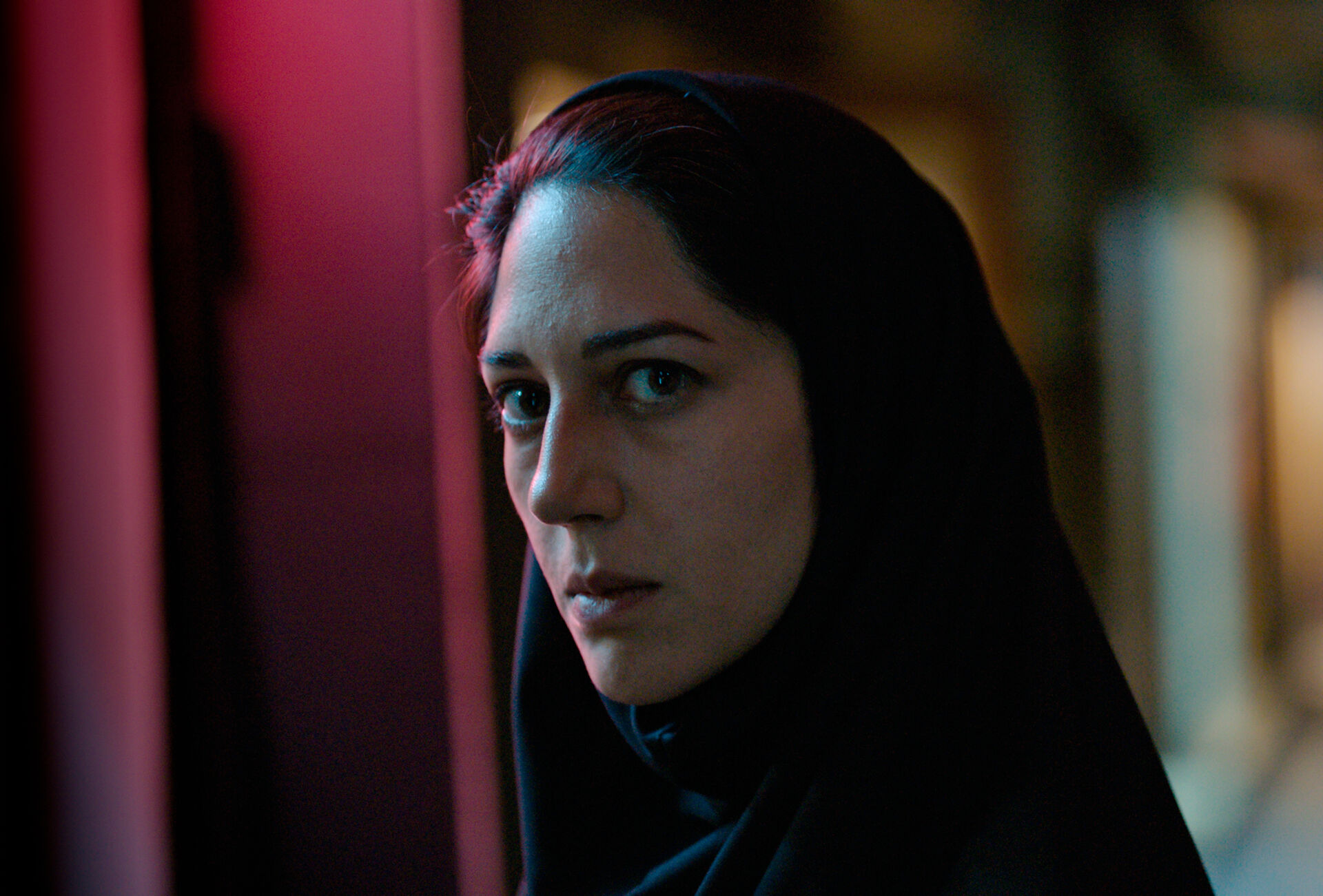
Ryan Keating zve na film Svatý pavouk
This is a direct mirror of a real-world social anxiety: the fear that modesty kills matrimonial prospects. The narrative challenges this by proving that the right partner (Ikhwan) is attracted because of her character, not despite her veil. 1. Judgment and Gossip (Fitnah) The most powerful social critique in the story is fitnah (false accusation/gossip). Because Siti Hajar is visible, she is a target. If she is seen laughing with a male colleague, the gossip spreads faster than wildfire. The novel asks: Why is a veiled woman’s honor considered more fragile than an unveiled woman’s? 2. The Workplace Dynamic In professional settings, Siti Hajar faces microaggressions. Clients may prefer to deal with her non-veiled colleagues, assuming she is less capable or "too rigid." The book uses her career struggles to discuss religious discrimination in the workplace —a highly relevant social topic today. 3. The Performance of Piety Perhaps the most daring theme is the critique of "performative modesty." Siti Hajar meets characters who wear the tudung but engage in backbiting, cheating, and manipulation. Conversely, she meets non-veiled characters with hearts of gold.
Note: "Siti Hajar Bertudung" is a popular Malay novel (and subsequent drama/film) by Suri Ryana. The keyword focuses on the protagonist’s journey with her identity (hijab) and how it impacts her romantic and social life. In the landscape of modern Malay literature, few characters have sparked as much conversation about the intersection of faith, fashion, and romance as Siti Hajar from Suri Ryana’s iconic novel, Siti Hajar Bertudung . At first glance, the title simply describes a woman who wears the hijab. However, beneath the surface lies a complex tapestry of social pressures, romantic insecurities, and the silent judgment of society. 3gp siti hajar bertudung seks dengan bomoh part 2rar hot
This reflects a real-world social issue: The Burden of the Visible Muslim . In many communities, women who wear the hijab are held to a higher moral standard than those who do not. Siti Hajar’s relationship with Ikhwan forces readers to ask: Is it fair to expect a veiled woman to be perfect? A recurring theme in their romance is the concept of khalwat (close proximity) and physical touch before marriage. Siti Hajar’s commitment to her hijab extends to strict boundaries in her relationship. This creates friction because modern dating culture (even within religious frameworks) often pushes those boundaries. This is a direct mirror of a real-world
Whether you are a young woman contemplating the hijab, a man trying to understand your partner’s religious boundaries, or a sociologist studying Malay pop culture, this narrative remains essential reading. It proves that the most compelling love stories are not about bodies meeting, but about souls understanding each other—across the veil. Have you read Siti Hajar Bertudung? What are your thoughts on how the novel handles the pressure of religious appearance in relationships? Share your perspective in the comments below. Judgment and Gossip (Fitnah) The most powerful social
This article delves deep into the presented in the narrative, exploring how Siti Hajar navigates love, friendship, and hypocrisy in a world that often judges the book by its cover—or in her case, by its tudung . The Premise: More Than Just a Headscarf For the uninitiated, Siti Hajar Bertudung tells the story of a young woman who adopts the hijab not merely as a religious obligation, but as a shield. Throughout the story, Siti Hajar struggles with the perception that wearing a tudung automatically makes her a "saint." The narrative brilliantly dismantles the stereotype that outward appearance equals inner piety.
This tension becomes the primary driver of her relationships, particularly with the male protagonist, Ikhwan. The keyword "Siti Hajar Bertudung relationships" is central here—because her love story is not just a typical boy-meets-girl tale; it is a negotiation of boundaries, respect, and spiritual growth. The Attraction of Compatibility Ikhwan is often portrayed as the ideal religious male lead—practicing, understanding, and patient. Unlike other male characters who view Siti Hajar’s hijab as a barrier or a sign of strictness, Ikhwan sees it as a sign of self-respect. Their relationship highlights a vital social topic: the struggle to find a partner who respects your spiritual journey rather than just your physical appearance. The "Perfect Muslim" Trap One of the most poignant conflicts in their relationship is the expectation of perfection. Because Siti Hajar wears a tudung , Ikhwan (and society) initially expects her to have flawless Islamic conduct. When she stumbles—perhaps showing anger, jealousy, or human desire—it creates cognitive dissonance.
To discuss Siti Hajar Bertudung is to discuss the very fabric of modern Muslim social life. It is a story about vulnerability, courage, and the radical act of being honest about who you are—tudung and all.


Ali Abbasi is a writer and director. He was born 1981 in Iran and left his studies in Tehran to move to Stockholm, where he graduated with a BA in architecture. He then studied directing at the National Film School of Denmark, graduating with his short film M FOR MARKUS in 2011. His feature debut, SHELLEY premiered at the Berlinale in 2016 and was released in the US. He is best known for his 2018 film BORDER, which premiered in Cannes, where it won the Prix Un Certain Regard. The film was chosen as Sweden’s Academy Award® Entry, was widely released internationally, won the Danish Film Award and was nominated for three European Film Awards including Best Director, Best Screenwriter & Best Film. He is currently shooting the TV adaptation of “The Last of Us” for HBO in Canada.
Watch Ali Abbasi's movie Border on Edisonline.