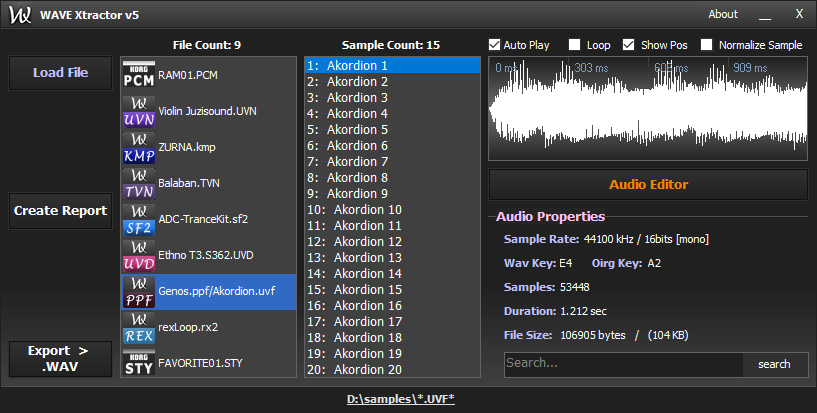
Extract .Wav sample data from KORG, Yamaha and other popular File formats.
Build: 02 January 2026
File Size: 5.20 MB

Welcome to the paradox of modern safety. In our quest to build a fortress, we risk turning our lives into a fishbowl. This article explores the deep tension between home security camera systems and the fundamental right to privacy. To understand the privacy conflict, we must first acknowledge why we buy these devices. They work. Statistically, homes with visible security cameras are significantly less likely to be burglarized. The mere sight of a camera acts as a deterrent.
The question is not "Should you buy a security camera?" The question is:
But as these digital eyes proliferate—nestled in birdfeeders, camouflaged in floodlights, and peering through baby monitors—a creeping discomfort has taken root. We have installed these systems to watch others (burglars, package thieves, suspicious strangers). Yet, we rarely stop to ask: Who else are we watching? And who is watching us?
According to recent market data, nearly one in four U.S. households now owns a video doorbell or a standalone security camera. We have traded the "ring around the collar" for the Ring around the door , seeking peace of mind while we sleep, work, or vacation in Cancun.
Even if the camera isn't pointed directly at the neighbor’s window, the constant, known presence of a recording device changes human behavior. A neighbor who knows they are on your camera will stop sunbathing. They will pull their blinds at 3 PM. They will walk their dog on the other side of the street. You have not secured your home; you have inadvertently installed a surveillance apparatus that surveils innocent people going about their lives. 2. The Unwitting Guest: The Living Room Microphone We tend to worry about video. We shouldn't. We should worry about audio.
This will take you through PayPal, to complete the payment.
*approx €30 Eur
1 License [1 PC]
Free updates
Technical support
Refunds can only be accepted if you have not received your Activation Code.
Welcome to the paradox of modern safety. In our quest to build a fortress, we risk turning our lives into a fishbowl. This article explores the deep tension between home security camera systems and the fundamental right to privacy. To understand the privacy conflict, we must first acknowledge why we buy these devices. They work. Statistically, homes with visible security cameras are significantly less likely to be burglarized. The mere sight of a camera acts as a deterrent.
The question is not "Should you buy a security camera?" The question is: 835204 korean models selling sex caught on hidden cam 16aflv
But as these digital eyes proliferate—nestled in birdfeeders, camouflaged in floodlights, and peering through baby monitors—a creeping discomfort has taken root. We have installed these systems to watch others (burglars, package thieves, suspicious strangers). Yet, we rarely stop to ask: Who else are we watching? And who is watching us? Welcome to the paradox of modern safety
According to recent market data, nearly one in four U.S. households now owns a video doorbell or a standalone security camera. We have traded the "ring around the collar" for the Ring around the door , seeking peace of mind while we sleep, work, or vacation in Cancun. To understand the privacy conflict, we must first
Even if the camera isn't pointed directly at the neighbor’s window, the constant, known presence of a recording device changes human behavior. A neighbor who knows they are on your camera will stop sunbathing. They will pull their blinds at 3 PM. They will walk their dog on the other side of the street. You have not secured your home; you have inadvertently installed a surveillance apparatus that surveils innocent people going about their lives. 2. The Unwitting Guest: The Living Room Microphone We tend to worry about video. We shouldn't. We should worry about audio.
Social Media: