
Blacked161121kendrasunderlandxxx1080pmp
Spotify and Apple Podcasts have resurrected long-form audio. The podcast boom proved that when screens are off, depth returns. Joe Rogan’s three-hour interviews and true-crime serials like Serial generate more sustained engagement than most television shows.
Today, understanding the machinery behind is not just an academic exercise; it is essential for marketers, creators, and consumers navigating a $2 trillion global industry. This article explores the history, current trends, economic models, and psychological hooks that define how we consume stories, music, and news in the 21st century. A Brief History: From Mass Broadcasting to Niche Streaming To grasp where entertainment content and popular media is going, we must look at where it has been. For most of the 20th century, popular media was defined by scarcity. Three television networks, a handful of radio stations, and a local movie theater dictated what was popular. This "Gatekeeper Era" meant that cultural touchstones—from I Love Lucy to Star Wars —were monolithic. Everyone watched the same thing at the same time. blacked161121kendrasunderlandxxx1080pmp
YouTube, TikTok, and Instagram Reels have democratized fame. Here, entertainment content and popular media is produced by amateurs with smartphones. This pillar has introduced "micro-fame"—where a creator can have 10 million followers in one niche but be unknown to the general public. The production value is lower, but the authenticity and engagement are exponentially higher. Spotify and Apple Podcasts have resurrected long-form audio
Whether you are a marketer tracking trends, a parent managing screen time, or a fan binging the next hit series, understanding the mechanics of is no longer optional—it is the literacy of the modern age. Today, understanding the machinery behind is not just
The algorithmic feedback loop works like this: A user watches a 15-second clip of a forgotten 1980s sitcom. The algorithm registers "engagement." The platform promotes more clips. Suddenly, that old sitcom trends globally. Producers take note and greenlight a reboot.
Fortnite concerts, Roblox brand activations, and Twitch live streams blur the line between playing and watching. For Generation Alpha, watching someone else play a game is a primary form of entertainment content and popular media . This is "para-social interactivity"—the audience cannot change the game, but they can influence the streamer in real time. The Algorithm as Editor-in-Chief Perhaps the most significant shift in entertainment content and popular media is the removal of human curation. Netflix’s recommendation engine, TikTok’s "For You Page" (FYP), and Spotify’s Discover Weekly do not just suggest content; they dictate what gets made.
The good news? There has never been more variety. The bad news? There has never been more junk. The wisdom of the future will not be in finding content—it will be in choosing which content to ignore. As the streaming wars cool and the AI wave crests, the survivors will be those who remember that entertainment is ultimately about human connection. The medium changes. The need for a good story does not.
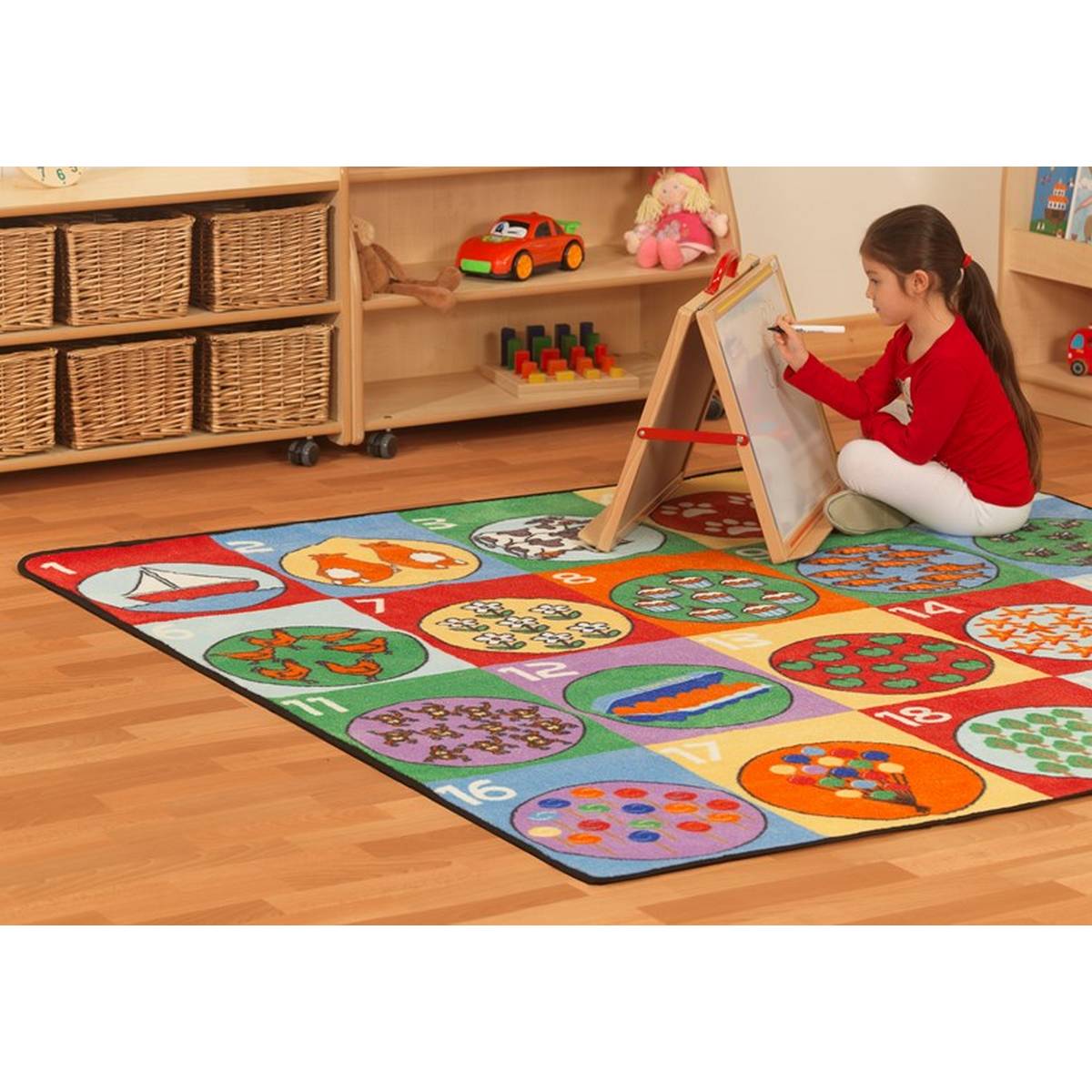 Carpets & Mats