


product description

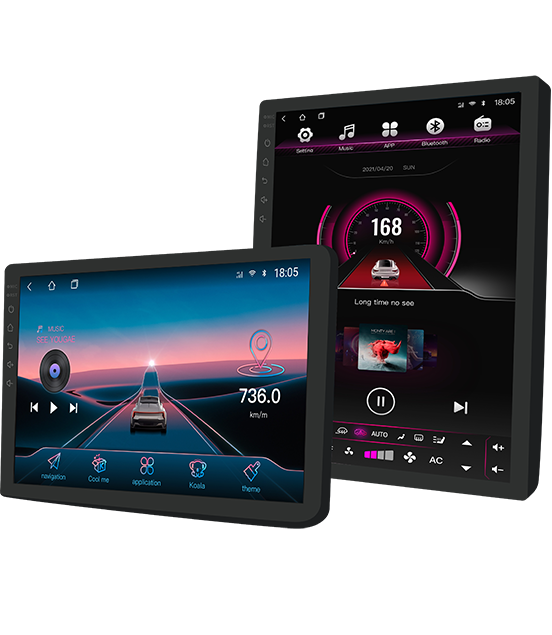
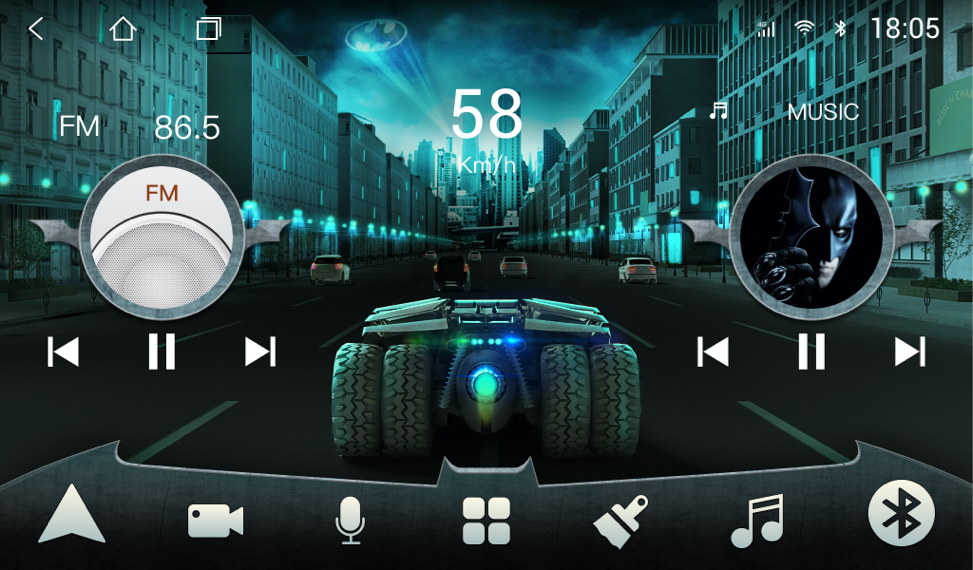
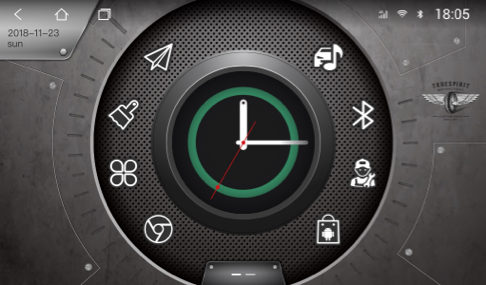
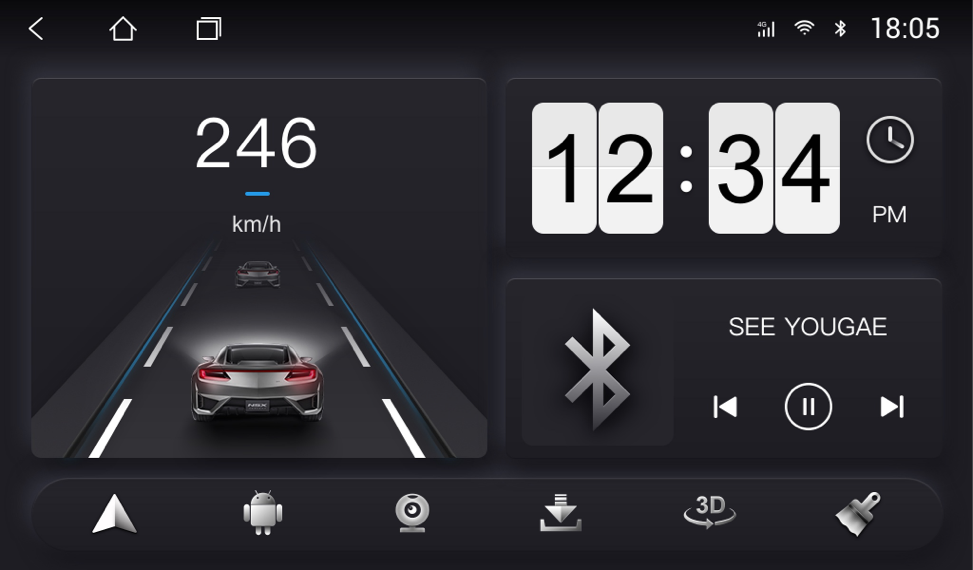
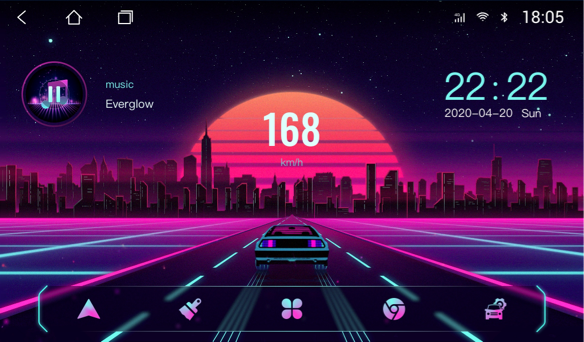
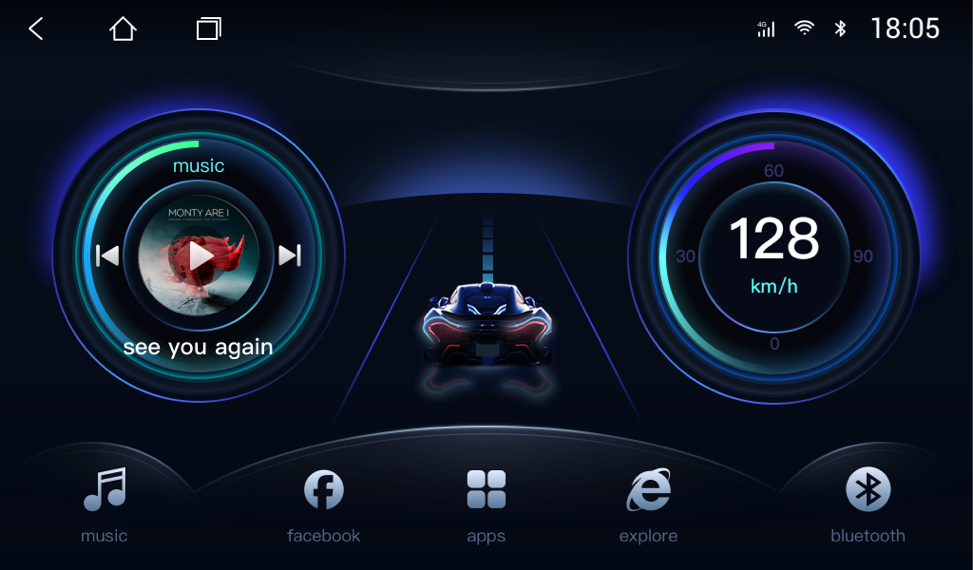
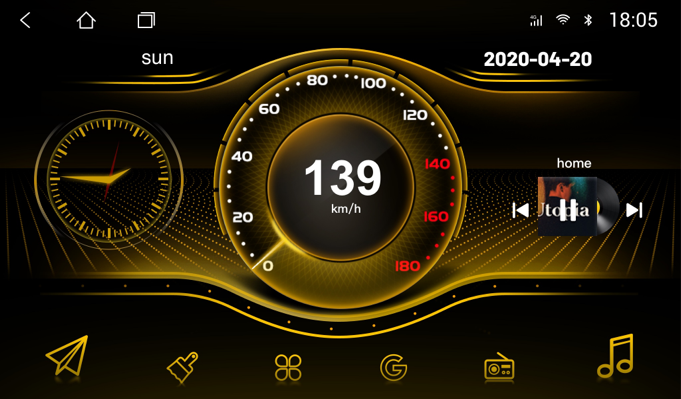
Not limited to a single theme framework, create 9 types of themes with different styles, there is always one that suits your taste!

Of course it's more than just looking good! When you drive on the road, you will find that the theme has rich dynamic effects, such as driving, instrumentation, ADAS, weather, etc., is it very interesting?

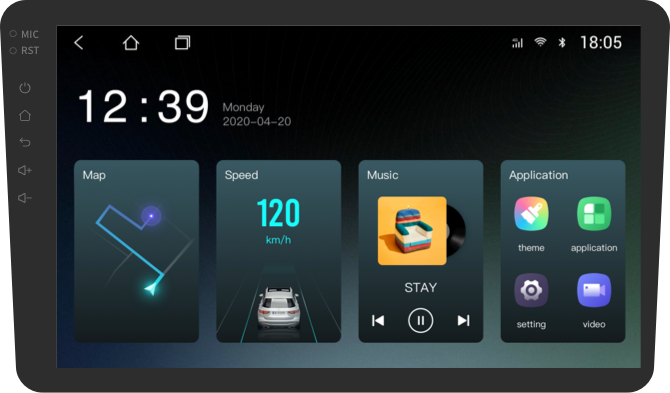
The shortcut icons on the desktop can be customized in style and function, and operate in the way you are used to!

product description
product description
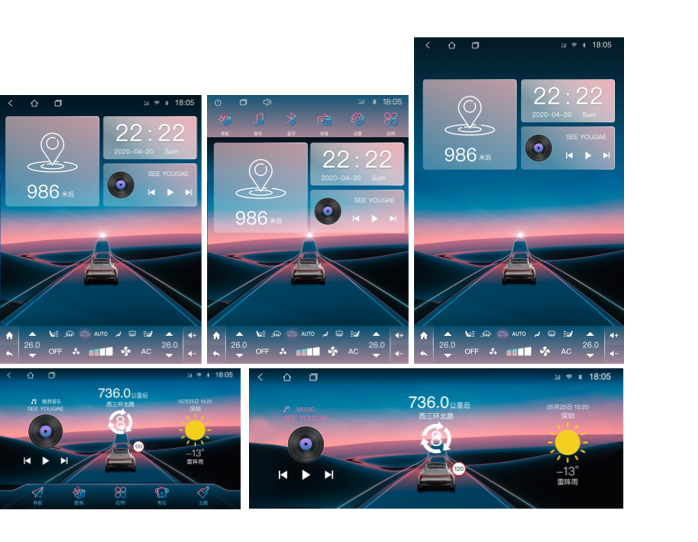
Currently suitable resolutions are as follows:
Landscape contains: 1024x600、1024x768、1280x800、1280x480、2000x1200
Vertical screen includes: 768x1024、800x1280、1080x1920
If your car is different, it will use close resolution by default
Cars of Dingwei solution can use all the functions of the theme software, but some of the functions of cars of other solution providers are not available.

In addition to a single purchase, you can also


The best recent films— Shithouse (2020), The Lost Daughter (2021), Aftersun (2022)—don’t offer resolutions. They don’t end with the stepchild calling the stepparent "Mom" or a group hug around a Thanksgiving table. They end with a moment of awkward accommodation: a shared laugh, a ride to the airport, a text message left on read.
That is the genius of the blended family in modern cinema. It has stopped selling us a fantasy of seamless integration and started showing us the hard, beautiful work of loving people you never chose to love. The result is not just better movies—it is a more honest mirror. And in that mirror, we finally recognize ourselves. cherie deville stepmoms date cancels install
The exception might be The Meyerowitz Stories (New and Selected) (2017). While focused on adult siblings, the film shows how a stepmother (played by Emma Thompson) can be a perfectly decent person yet still represent a lifetime of displacement for the grown children. There are no villains, only the quiet geometry of who sits where at the funeral. What modern cinema understands is that every family is a blended family. The nuclear family was a historical anomaly, a post-war fantasy. In reality, families are constantly re-editing their own story: partners leave, new characters enter, children choose their own allegiances. The best recent films— Shithouse (2020), The Lost
Similarly, The Royal Tenenbaums (2001) obliterates the trope entirely. Royal (Gene Hackman) is a biological father who abandoned his family, only to return and pose as a stepfather-figure to his own neglected children. The film argues that blood relations can feel like step-relations, and that genuine step-parenting—chosen, deliberate care—is often more authentic than genetic obligation. Perhaps the richest vein of modern blended-family drama is the step-sibling relationship. Gone are the days of simple "meet-cute" rivalries where two kids hate each other before learning to share a bathroom. Today’s films explore the existential horror and accidental love of forced cohabitation. That is the genius of the blended family in modern cinema
The Edge of Seventeen (2016) offers a masterclass. The protagonist, Nadine (Hailee Steinfeld), is already grieving her father’s suicide when her mother begins dating—and then marries—her boss. The intrusion is not just emotional but spatial. The step-brother (a perfectly cast Blake Jenner) is handsome, popular, and effortlessly kind. The film refuses to make him a bully; he is a genuine source of anxiety because he represents a normalcy Nadine can never achieve. Their dynamic isn’t about physical fights; it’s about the silent war of belonging.
On the LGBTQ+ front, Bros (2022) dedicates an entire subplot to the idea of "blended queer family." The protagonist, a cynical podcaster, resists the idea of marriage as a heteronormative trap, only to realize that wanting a stepchild, an ex-husband, and a chaotic in-law gathering is not conforming—it’s actually the most radical, messy form of love available. Despite these strides, modern cinema still struggles with one dynamic: the absent biological parent who is not a monster. Too often, the "other" parent is dead, abusive, or living in another country to simplify the narrative. The uncomfortable truth—that two loving, stable, divorced parents can still create a painful blended reality—is rarely dramatized.
Weekly update

Please contact us
In addition to these FAQs, if you have more questions, youcan join our community by Telegram: https://t.me/carmateapp