Letter testimonies
Escuela de Salud Mental Adultos

Enature Junior Miss Nudist Pageant Full -

This guide explores the depths of the nature and outdoor lifestyle, from its profound health benefits to the practical steps you need to integrate the wilderness into your daily existence. We are living through a paradox. Technology has connected us globally, yet we have never felt more isolated or sedentary. The average person spends approximately 90% of their time indoors. This disconnect has birthed a new term: "Nature Deficit Disorder."

The nature and outdoor lifestyle is the antidote. It is not about climbing Everest or kayaking the Amazon. It is about the micro-adventures that exist in our backyards, local trails, and community parks. It is the recognition that humans, for 99% of our evolutionary history, lived entirely outside. Our circadian rhythms, our eyesight, and our stress responses are biologically engineered for natural light and green spaces. Adopting an outdoor lifestyle is not just spiritually uplifting; it is medically essential. 1. Psychological Restoration Studies in environmental psychology show that spending just 20 minutes in a natural setting significantly lowers cortisol (the stress hormone). The "Attention Restoration Theory" suggests that nature’s soft fascinations—clouds moving, water flowing—allow our directed attention to rest, effectively rebooting our brains. 2. Physical Vitality Hiking on uneven terrain engages stabilizing muscles that a gym treadmill cannot reach. Kayaking offers a full-body resistance workout with zero impact on joints. Even gardening burns over 200 calories per hour. The nature and outdoor lifestyle turns exercise into exploration, making fitness feel like play. 3. Vitamin D and Immunity Responsible sun exposure while hiking or cycling provides essential Vitamin D, which supports bone health and immune function. Furthermore, exposure to phytoncides—antimicrobial compounds released by trees—increases the activity of natural killer (NK) cells, our body’s first line of defense against illness. Core Pillars of the Outdoor Lifestyle Living an outdoor lifestyle doesn't require moving to a cabin in the woods (though that is an option). It requires integrating specific habits into your urban or suburban routine. Pillar 1: Daily Green Commuting If possible, walk or bike to work. If you must drive, park 15 minutes away and walk the rest. Listen to audiobooks or podcasts about nature on your commute, but allow the last five minutes to be silent, noticing the sky and the trees. Pillar 2: The "No-Tech" Hour Dedicate the first hour after work to being outside without a screen. Go for a walk, tend to a garden, or simply sit on your porch. This acts as a psychological "airlock," decompressing the pressure of the workday before you enter your home. Pillar 3: Seasonal Living The nature and outdoor lifestyle rejects the idea that outside is only for summer. It embraces shinrin-yoku (forest bathing) in the rain, snowshoeing in winter, and hiking during the crisp fall. Wardrobe is key—invest in proper rain gear and warm layers rather than waiting for "perfect weather." Essential Gear for the Modern Outdoor Enthusiast You do not need $5,000 worth of equipment to start, but a few key investments make the lifestyle sustainable.

The is more than a weekend hobby; it is a conscious philosophy of living. It is the decision to trade the sterile glow of fluorescent lighting for the golden hour, and the constant ping of notifications for the rustle of wind through leaves. As we navigate a world that is increasingly digital, virtual, and indoor-bound, the call of the wild has never been more urgent—or more healing.

Programas relacionados que te pueden interesar

  • Enature Junior Miss Nudist Pageant Full -

    This guide explores the depths of the nature and outdoor lifestyle, from its profound health benefits to the practical steps you need to integrate the wilderness into your daily existence. We are living through a paradox. Technology has connected us globally, yet we have never felt more isolated or sedentary. The average person spends approximately 90% of their time indoors. This disconnect has birthed a new term: "Nature Deficit Disorder."

    The nature and outdoor lifestyle is the antidote. It is not about climbing Everest or kayaking the Amazon. It is about the micro-adventures that exist in our backyards, local trails, and community parks. It is the recognition that humans, for 99% of our evolutionary history, lived entirely outside. Our circadian rhythms, our eyesight, and our stress responses are biologically engineered for natural light and green spaces. Adopting an outdoor lifestyle is not just spiritually uplifting; it is medically essential. 1. Psychological Restoration Studies in environmental psychology show that spending just 20 minutes in a natural setting significantly lowers cortisol (the stress hormone). The "Attention Restoration Theory" suggests that nature’s soft fascinations—clouds moving, water flowing—allow our directed attention to rest, effectively rebooting our brains. 2. Physical Vitality Hiking on uneven terrain engages stabilizing muscles that a gym treadmill cannot reach. Kayaking offers a full-body resistance workout with zero impact on joints. Even gardening burns over 200 calories per hour. The nature and outdoor lifestyle turns exercise into exploration, making fitness feel like play. 3. Vitamin D and Immunity Responsible sun exposure while hiking or cycling provides essential Vitamin D, which supports bone health and immune function. Furthermore, exposure to phytoncides—antimicrobial compounds released by trees—increases the activity of natural killer (NK) cells, our body’s first line of defense against illness. Core Pillars of the Outdoor Lifestyle Living an outdoor lifestyle doesn't require moving to a cabin in the woods (though that is an option). It requires integrating specific habits into your urban or suburban routine. Pillar 1: Daily Green Commuting If possible, walk or bike to work. If you must drive, park 15 minutes away and walk the rest. Listen to audiobooks or podcasts about nature on your commute, but allow the last five minutes to be silent, noticing the sky and the trees. Pillar 2: The "No-Tech" Hour Dedicate the first hour after work to being outside without a screen. Go for a walk, tend to a garden, or simply sit on your porch. This acts as a psychological "airlock," decompressing the pressure of the workday before you enter your home. Pillar 3: Seasonal Living The nature and outdoor lifestyle rejects the idea that outside is only for summer. It embraces shinrin-yoku (forest bathing) in the rain, snowshoeing in winter, and hiking during the crisp fall. Wardrobe is key—invest in proper rain gear and warm layers rather than waiting for "perfect weather." Essential Gear for the Modern Outdoor Enthusiast You do not need $5,000 worth of equipment to start, but a few key investments make the lifestyle sustainable. enature junior miss nudist pageant full

    The is more than a weekend hobby; it is a conscious philosophy of living. It is the decision to trade the sterile glow of fluorescent lighting for the golden hour, and the constant ping of notifications for the rustle of wind through leaves. As we navigate a world that is increasingly digital, virtual, and indoor-bound, the call of the wild has never been more urgent—or more healing. This guide explores the depths of the nature
  • 250000
    1756684800
    Especializaciones
    Escuela En Salud Mental Adultos , escuela En Salud Mental Infantojuvenil
    Asincronica
    Psicologia Clinica , test Psicologicos
    Salud Mental , test Proyectivos
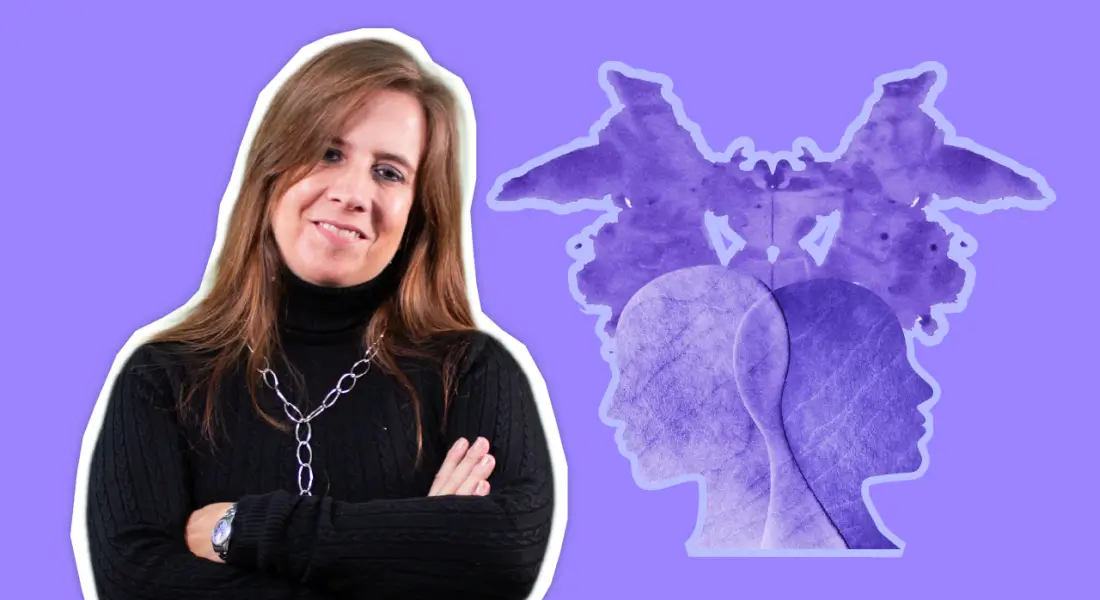
    Descripción del curso: La evaluación psicológica mediante test proyectivos continúa siendo una práctica ampliamente utilizada en contextos clínicos, educacionales, organizacionales y periciales. Estos instrumentos, al explorar más allá, permiten al profesional acceder a información valiosa sobre el funcionamiento emocional y relacional del consultante. Este programa de especialización de Adipa entrega una formación sólida, teórica y aplicada, en el uso clínico de técnicas proyectivas. A lo largo de sus módulos, se profundiza en el uso de pruebas como el Zulliger, el Lüscher, el TRO, el Test de Rorschach, el CAT-A, y técnicas gráficas aplicadas especialmente en población infanto-juvenil, junto con herramientas complementarias para la elaboración de informes psicológicos. El enfoque es clínico, técnico y contextualizado, favoreciendo el desarrollo de habilidades concretas para su uso en la práctica profesional. El programa está dirigido a psicólogos/as que se desempeñen en contextos clínicos, escolares, jurídicos u organizacionales, y que busquen enriquecer su quehacer evaluativo con herramientas proyectivas validadas y actualizadas.
    Esta especialización tiene como objetivo proporcionar una formación integral y actualizada en la evaluación psicológica mediante técnicas proyectivas, promoviendo una comprensión profunda de sus fundamentos teóricos, posibilidades de aplicación e interpretación en distintos contextos profesionales.
    Psicólogos y psicólogas que se desempeñan o desean desempeñarse en áreas clínicas, educativas o forenses, y que buscan profundizar sus competencias en evaluación psicológica a través del uso, análisis e interpretación de test proyectivos. Al mismo tiempo, estudiantes de último año de las carreras y especialidades antes mencionadas.
    Curso 100% asincrónico, clases en formato de video-cápsulas. Revisa el contenido on demand, en el momento que desees.
    Especialización en Test Proyectivos
    Mg. Ps. Jennyfer Araya ,Ps. María Jesús Salas ,Mg. Ps. Andrés Moyano Baccelliere ,Mg. Ps. María José Correa ,
    7
    140

    4.7

    Curso 100% asincrónico, clases en formato de video-cápsulas. Revisa el contenido on demand, en el momento que desees.

    Asincrónica
    Imagen del curso - Especialización en Test Proyectivos - Adipa

    Especialización en Test Proyectivos

    $250.000 CLP
    7%
    $270.000 CLP
    Ver detalle +
  • 180000
    1756684800
    Especializaciones
    Escuela En Salud Mental Adultos , escuela En Salud Mental Infantojuvenil
    Asincronica
    Psicologia Clinica
    Ansiedad Y Depresion , salud Mental
    Descripción: Este programa de especialización ofrece una formación estructurada en siete módulos, que entregan herramientas teóricas y prácticas para comprender y aplicar los Primeros Auxilios Psicológicos (PAP) en contextos diversos, tales como emergencias, crisis individuales, situaciones de violencia, consumo problemático de sustancias, y ámbitos educativos y laborales. Dada la creciente exposición a situaciones de alta carga emocional en múltiples escenarios profesionales, contar con conocimientos en PAP se vuelve una competencia esencial para actuar de forma ética, oportuna y efectiva ante el sufrimiento psicológico agudo. Cada módulo se desarrolla en modalidad asincrónica, permitiendo a los participantes avanzar de manera flexible y autónoma a través de nuestra plataforma e-learning, con el acompañamiento de un tutor de Inteligencia Artificial y el seguimiento de un tutor humano. En la plataforma, los estudiantes encontrarán cápsulas de video-clases, material complementario y casos prácticos de aplicación, diseñados para facilitar la comprensión y el uso efectivo de los conocimientos adquiridos. El aprendizaje se organiza de forma secuencial, asegurando una integración progresiva de los contenidos y su puesta en práctica en escenarios reales.
    Fortalecer las competencias profesionales para brindar una respuesta psicológica inicial eficaz, ética y contextualizada ante situaciones de crisis, mediante la aplicación de Primeros Auxilios Psicológicos en diversos escenarios como emergencias, ámbitos educativos y laborales, situaciones de violencia y consumo problemático de sustancias.
    Profesionales del ámbito de la salud y la educación, así como estudiantes de últimos años de estas disciplinas, que se desempeñen o tengan interés en contextos donde se enfrentan situaciones de crisis, emergencias, violencia, consumo problemático de sustancias o problemáticas de salud mental. Esta especialización está orientada a quienes buscan fortalecer sus competencias para brindar una primera respuesta psicológica oportuna, empática y segura, en entornos clínicos, educativos, comunitarios, laborales o institucionales.
    Curso 100% asincrónico, clases en formato de video-cápsulas. Revisa el contenido on demand, en el momento que desees.
    Especialización en Primeros Auxilios Psicológicos
    Ps. Stefanny Vicencio ,Mg. Ps. Daniel Díaz ,PhD(c). Mg. Ps. Constanza González Matamala ,Mg. Ps. Andrés Moyano Baccelliere ,Ps. Claudia Quevedo Navarro ,Mg. Ps. Jennyfer Araya ,
    25
    120

    5

    Curso 100% asincrónico, clases en formato de video-cápsulas. Revisa el contenido on demand, en el momento que desees.

    Asincrónica
    Imagen del curso - Especialización en Primeros Auxilios Psicológicos - Adipa

    Especialización en Primeros Auxilios Psicológicos

    $180.000 CLP
    25%
    $240.000 CLP
    Ver detalle +
  • 0
    1772215200
    Cursos
    Escuela En Salud Mental Adultos , escuela En Salud Mental Infantojuvenil
    En Vivo
    Psicologia Clinica
    Salud Mental , trauma
    Este curso ofrece una revisión rigurosa del marco técnico, metodológico, práctico y epistemológico de la disciplina del arteterapia aplicada al ejercicio psicoterapéutico, con énfasis en el abordaje de la salud mental y en el trabajo clínico en personas con trauma psicológico, posibilitando un enfoque sensible al trauma con recursos de los procesos creativos y orientado a la integración psicológica y emocional. Su principal objetivo es entregar a los participantes conocimientos especializados para implementar el arteterapia como herramienta psicoterapéutica —distinguida del ejercicio profesional del arteterapeuta— articulando fundamentos teóricos con aplicaciones clínicas en contextos institucionales y privados de salud mental. El programa está dirigido a profesionales y estudiantes avanzados de psicología, salud mental y disciplinas afines que deseen integrar el lenguaje artístico como medio de intervención terapéutica. A lo largo del curso, se analizarán casos clínicos y se discutirán las implicancias técnicas, éticas y clínicas de las intervenciones, considerando evidencias empíricas y enfoques actuales en el campo de la arteterapia.
    Analizar e integrar los fundamentos teóricos, metodológicos y clínicos de la arteterapia aplicada al ejercicio psicoterapéutico, facultando el diseño e implementación de dispositivos de intervención artística en contextos de salud mental, particularmente en el abordaje del trauma psicológico.
    Dirigido a profesionales de la salud mental, y las ciencias sociales, tales como psicólogos/as, psiquiatras y trabajadores/as sociales. A su vez este curso está dirigido a estudiantes de último año de las carreras antes mencionadas.
    Sesiones 100% en vivo, si no puedes asistir, puedes revisar posteriormente la grabación en tu aula virtual. No aplica para acreditaciones internacionales.
    Curso: Arteterapia Aplicada: Intervenciones psicoterapéuticas para el abordaje del Trauma
    Mg. Ps. Gabriel Peña Sierra ,
    100
    9

    5

    Sesiones 100% en vivo, si no puedes asistir, puedes revisar posteriormente la grabación en tu aula virtual. No aplica para acreditaciones internacionales.

    En vivo
    Imagen del curso - Curso: Arteterapia Aplicada: Intervenciones psicoterapéuticas para... - Adipa

    Curso: Arteterapia Aplicada: Intervenciones psicoterapéuticas para el abordaje del Trauma

    $30.000 CLP
    Ver detalle +

Te mantenemos informado

Ir a noticias

Te podría interesar el programa de:

Whatsapp
¿Necesitas ayuda?
ADIPA
Hola!
¿Cómo te podemos apoyar? Escríbenos
Compra antes de:
00
Dias
00
Horas
00
Min.
00
Seg.
Cupón #seminariosjas