It sounds whimsical, and frankly, a little delicious. But for top-tier data engineers and strategic analysts, the "Ice Pie" represents a radical shift away from rigid, layered architectures toward a decentralized, adaptable, and shockingly resilient framework. Far from being a dessert menu item, the Ice Pie model is quietly becoming the most important metaphor in modern data management. Before we slice into the details, let's define the term. An Ice Pie Model is a data architecture pattern where data is stored in discrete, self-contained, and physically isolated "slices"—much like individual slices of a pie—rather than in a single, monolithic "iceberg" or layered "cake."
Your data will stay cold. Your stakeholders will stay happy. And your infrastructure will stay standing. Keywords integrated: ice pie models, data architecture, data slicing, immutable data, ETL, data mesh, cloud storage.
offer a path forward where one team's emergency does not become every team's outage. By storing immutable raw data in a frozen center and serving discrete, independent slices to business domains, you transform your data architecture from a liability into a competitive advantage.
So, the next time a stakeholder demands a last-minute change to a KPI, don't panic. Just smile and say, "No problem. We'll just spin up a new slice of the ice pie."
This self-organizing pie is the holy grail of data mesh architecture. The freezer (ice) remains static, but the slices (pie) reconfigure themselves in real-time based on usage. The era of the fragile, monolithic data warehouse is ending. The future is modular, resilient, and cold.
It sounds whimsical, and frankly, a little delicious. But for top-tier data engineers and strategic analysts, the "Ice Pie" represents a radical shift away from rigid, layered architectures toward a decentralized, adaptable, and shockingly resilient framework. Far from being a dessert menu item, the Ice Pie model is quietly becoming the most important metaphor in modern data management. Before we slice into the details, let's define the term. An Ice Pie Model is a data architecture pattern where data is stored in discrete, self-contained, and physically isolated "slices"—much like individual slices of a pie—rather than in a single, monolithic "iceberg" or layered "cake."
Your data will stay cold. Your stakeholders will stay happy. And your infrastructure will stay standing. Keywords integrated: ice pie models, data architecture, data slicing, immutable data, ETL, data mesh, cloud storage. ice pie models
offer a path forward where one team's emergency does not become every team's outage. By storing immutable raw data in a frozen center and serving discrete, independent slices to business domains, you transform your data architecture from a liability into a competitive advantage. It sounds whimsical, and frankly, a little delicious
So, the next time a stakeholder demands a last-minute change to a KPI, don't panic. Just smile and say, "No problem. We'll just spin up a new slice of the ice pie." Before we slice into the details, let's define the term
This self-organizing pie is the holy grail of data mesh architecture. The freezer (ice) remains static, but the slices (pie) reconfigure themselves in real-time based on usage. The era of the fragile, monolithic data warehouse is ending. The future is modular, resilient, and cold.

Forgot your password? Ask for
login recovery
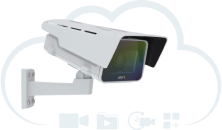
Start each service with 30 days for free.
CamStreamer Clouds allows you to use special features such as Remote Access for management connected Axis cameras, TimeLapse, or Cloud Recordings. It also allows you to use our CamStreamer streaming apps as a service on a monthly payment basis. CamStreamer Cloud is not for managing all your perpetual licenses. Still, if you already have perpetual licenses, you can access them via cloud Remote Access if this service is active on specific cameras.
Learn more about CamStreamer Cloud Solutions