As long as there are trans youth dreaming of a future, the rainbow flag will fly. And as long as that flag flies, it must shelter everyone—from the cis gay man in his business suit to the non-binary teen in platform boots to the trans woman throwing a brick at history.
refers to the shared customs, social institutions, art, humor, and language developed by people who are not cisgender or heterosexual. It is a culture born of necessity—a response to being ostracized from mainstream society. It includes everything from drag balls and coming-out narratives to specific slang (like "found family" or "reading") and safe spaces like gay bars. Longmint Porn Shemale
At the center of this tapestry sits the transgender community—a group whose journey for acceptance has profoundly shaped, and been shaped by, the broader LGBTQ culture. To understand one, you must understand the other. Yet, it is equally vital to recognize where they intersect and where they diverge. As long as there are trans youth dreaming
If you or someone you know is part of the transgender community and needs support, resources like The Trevor Project (866-488-7386) and the Trans Lifeline (877-565-8860) are available 24/7. It is a culture born of necessity—a response
This article explores the deep, complex relationship between the transgender community and LGBTQ culture, tracing their shared battles, unique challenges, and the evolving language of identity that binds them. Before diving into culture, we must address a common misconception. Many outsiders—and even some within the "LGB" umbrella—treat the "T" as an afterthought; a suffix tacked onto a gay rights movement. This is historically and functionally inaccurate.
Originating in Harlem in the 1960s, ballroom was a refuge for Black and Latinx LGBTQ youth. It was a competitive space of "houses" (found families) where participants walked categories like "Butch Queen Realness" or "Femme Queen Realness." This world—dramatized in the documentary Paris is Burning and the TV show Pose —was a crucible for trans visibility. It allowed trans women (then often called "femme queens") a space to perform femininity and gain prestige when society denied them personhood.
specifically includes individuals whose gender identity differs from the sex they were assigned at birth. This includes trans women, trans men, non-binary people, genderfluid people, and agender individuals.
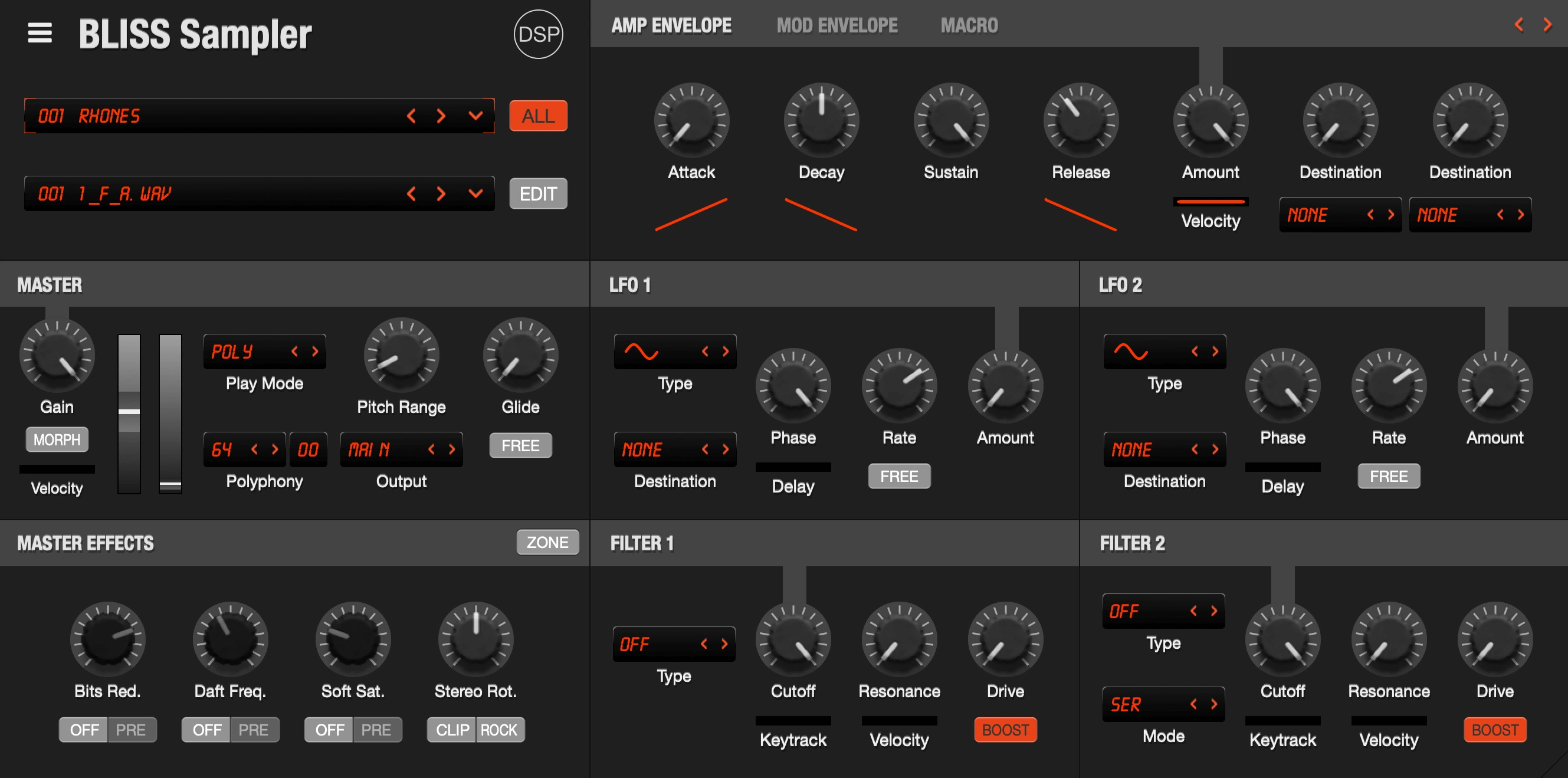
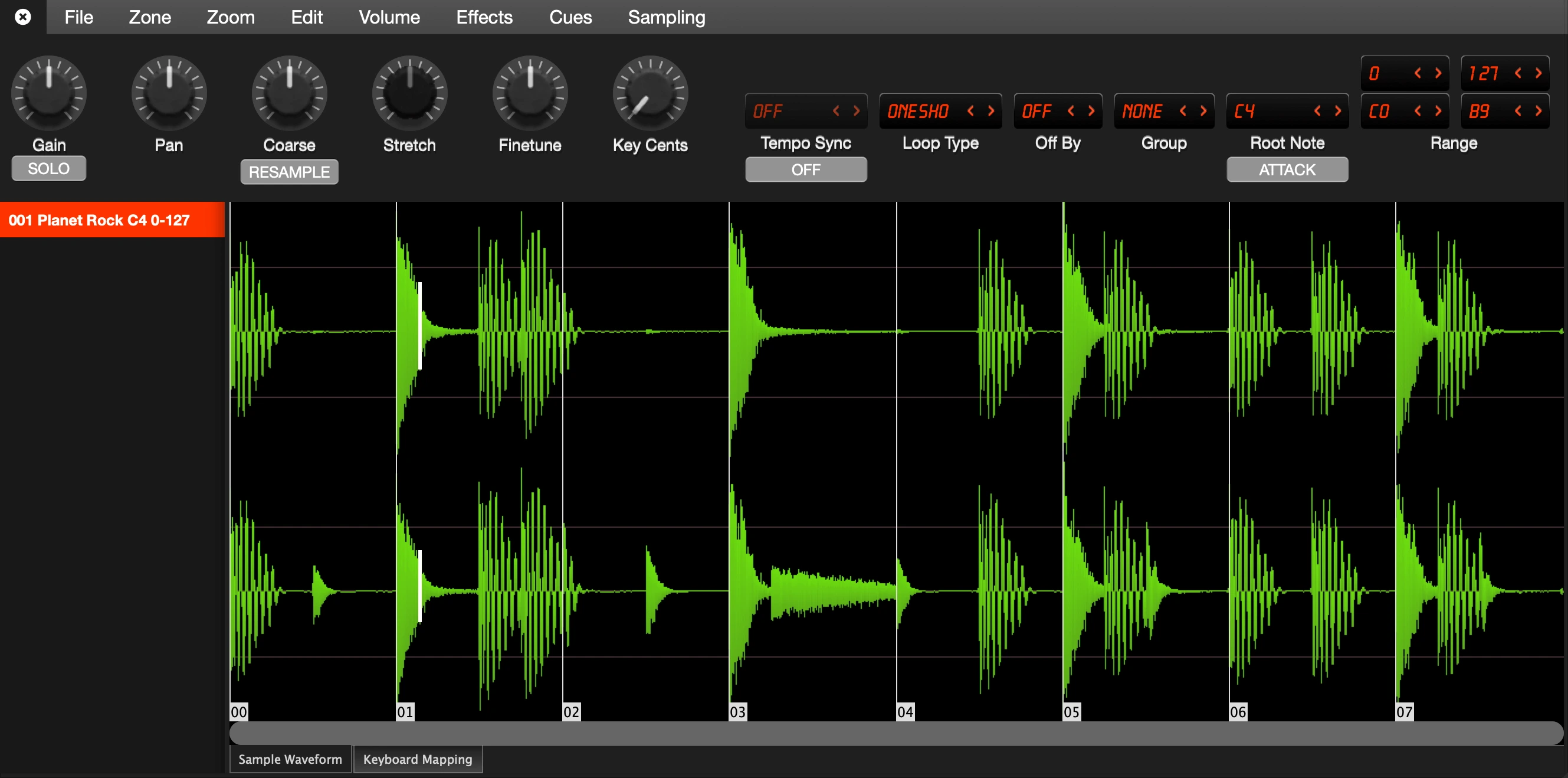
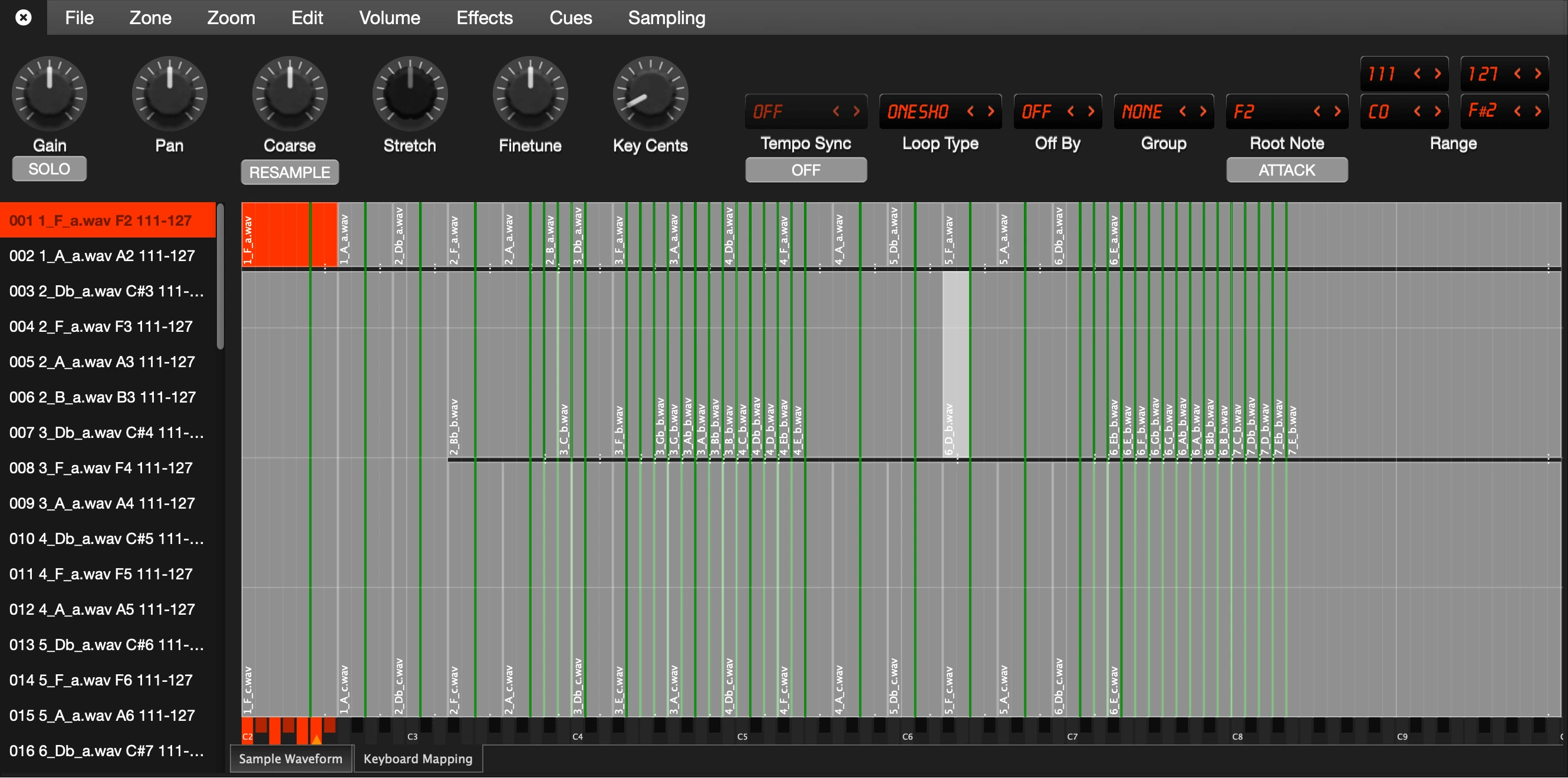
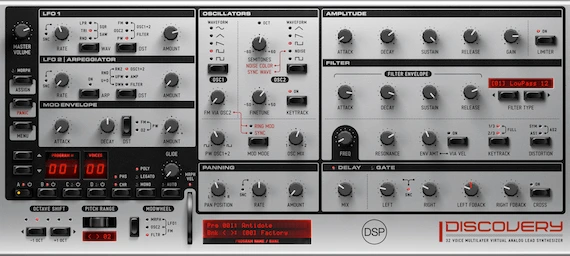
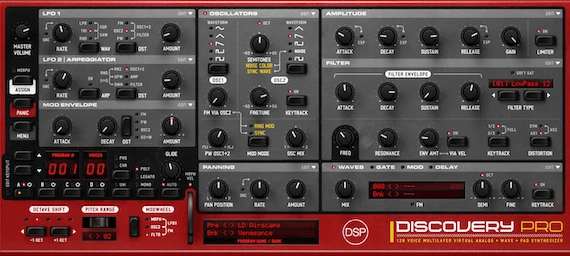
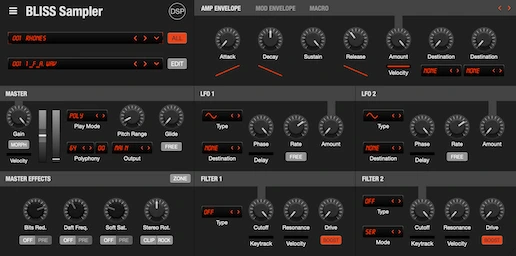
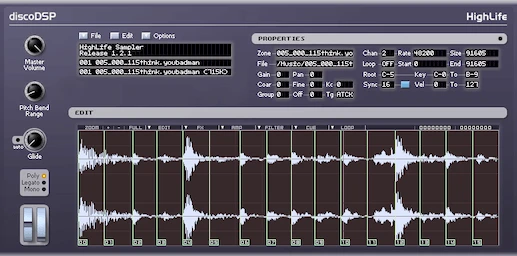
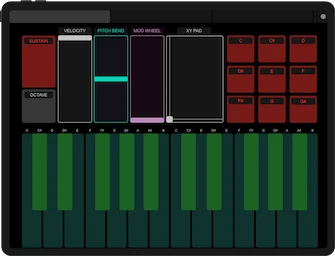
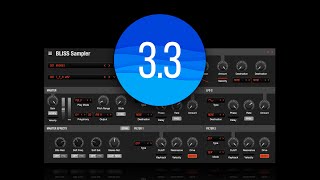
Experience discoDSP Bliss, the ultimate sampler. Record VST and AU instruments as SFZ files without quality loss. Customize your sound with a scalable GUI, wave editor, 7 effects, and versatile modulation. Enjoy up to 64 voices, 4X oversampling, and full MIDI control. Bliss offers exceptional playback and creative possibilities for any production. Elevate your music with the powerful and intuitive Bliss sampler.


As long as there are trans youth dreaming of a future, the rainbow flag will fly. And as long as that flag flies, it must shelter everyone—from the cis gay man in his business suit to the non-binary teen in platform boots to the trans woman throwing a brick at history.
refers to the shared customs, social institutions, art, humor, and language developed by people who are not cisgender or heterosexual. It is a culture born of necessity—a response to being ostracized from mainstream society. It includes everything from drag balls and coming-out narratives to specific slang (like "found family" or "reading") and safe spaces like gay bars.
At the center of this tapestry sits the transgender community—a group whose journey for acceptance has profoundly shaped, and been shaped by, the broader LGBTQ culture. To understand one, you must understand the other. Yet, it is equally vital to recognize where they intersect and where they diverge.
If you or someone you know is part of the transgender community and needs support, resources like The Trevor Project (866-488-7386) and the Trans Lifeline (877-565-8860) are available 24/7.
This article explores the deep, complex relationship between the transgender community and LGBTQ culture, tracing their shared battles, unique challenges, and the evolving language of identity that binds them. Before diving into culture, we must address a common misconception. Many outsiders—and even some within the "LGB" umbrella—treat the "T" as an afterthought; a suffix tacked onto a gay rights movement. This is historically and functionally inaccurate.
Originating in Harlem in the 1960s, ballroom was a refuge for Black and Latinx LGBTQ youth. It was a competitive space of "houses" (found families) where participants walked categories like "Butch Queen Realness" or "Femme Queen Realness." This world—dramatized in the documentary Paris is Burning and the TV show Pose —was a crucible for trans visibility. It allowed trans women (then often called "femme queens") a space to perform femininity and gain prestige when society denied them personhood.
specifically includes individuals whose gender identity differs from the sex they were assigned at birth. This includes trans women, trans men, non-binary people, genderfluid people, and agender individuals.